Can You Paint Shingles on a Roof? Pros, Cons, Costs, and Alternatives
Homeowners across Northern Virginia looking at faded, discolored, or sun-bleached asphalt shingles often ask the same question: can you paint shingles on a roof? The short answer is yes, you can physically apply paint or specialized coatings to asphalt roof shingles. But whether you should paint them is a far more nuanced question that depends on your roof's current condition, the type of coating you use, your budget, your timeline for staying in the home, and your expectations for how long the results will last.
Painting roof shingles offers a temporary cosmetic solution that costs significantly less than full replacement, making it appealing to homeowners in Reston, Herndon, Fairfax, and throughout the Northern Virginia region who want to refresh their roof's appearance without a major financial commitment. However, it comes with significant limitations that every homeowner needs to understand before investing time and money into a paint job that may not deliver the results they expect. This guide examines the complete picture: when painting makes sense, the real pros and cons for Northern Virginia's climate, materials that work, the step-by-step process, realistic costs, and the alternatives that may serve you better in the long run.
Yes, You Can Paint Roof Shingles — But Should You?
Painting asphalt roof shingles is physically possible and can temporarily restore the appearance of a faded roof for three to seven years when done correctly. Quality roof coatings designed specifically for asphalt shingles flex with the temperature changes that Northern Virginia experiences throughout its four-season climate, resist UV degradation from the region's 200-plus sunny days per year, and handle the constant weather exposure that destroys standard house paint within months of application.
The critical question isn't whether you can paint shingles on a roof, but whether painting represents the best use of your roofing budget. If your shingles show structural damage like curling edges, missing granule coverage, brittleness when handled, or active leaks, paint only masks problems while they continue deteriorating underneath. No amount of coating compensates for a shingle that has lost its structural integrity and its ability to shed water properly.
Consider painting only when your shingles remain structurally sound, lie flat against the roof deck, retain most of their granule coverage, and show no signs of cracking or brittleness. The shingles should be cosmetically faded but functionally intact. For roofs with structural damage, granule loss across multiple slopes, or shingles approaching 20 years of age, explore roof replacement options that provide lasting protection instead of temporary cosmetics.
Pros of Painting Roof Shingles
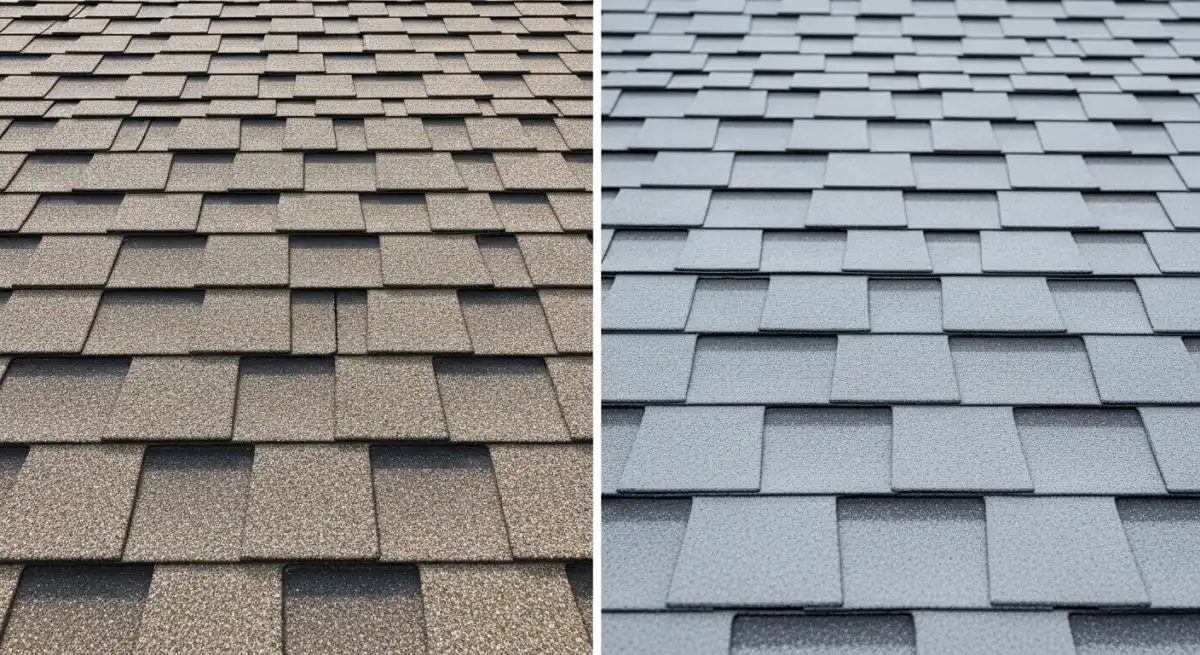
Painting roof shingles delivers several benefits when applied to suitable candidates. Understanding these advantages helps you evaluate whether painting is the right choice for your specific situation and goals.
Lower Upfront Cost
Cost savings represent the biggest advantage of painting over replacement. Professional roof painting runs $2 to $5 per square foot versus $5 to $12 per square foot for full shingle replacement in the Northern Virginia market. DIY painting costs just $400 to $900 in materials for a typical 2,000 square foot roof, making it extremely budget-friendly for homeowners facing financial constraints or those who need a short-term solution while saving for eventual replacement.
Quick Aesthetic Improvement
Fresh roof coating restores curb appeal within two to three days instead of the one to two weeks required for full tear-off and replacement. This speed makes painting particularly attractive for homeowners preparing to sell, where the cosmetic improvement can enhance buyer impressions without the investment of a new roof that they may not recoup in the sale price. Homes in competitive Northern Virginia markets across Reston, Herndon, and Fairfax benefit from maximized curb appeal during the selling process.
Color Flexibility and Energy Benefits
Painting lets you update your roof's color to match a new exterior color scheme, fresh siding, or updated trim without the expense of full replacement. Some roof coatings offer reflective properties that reduce cooling costs by 10 to 15 percent during Northern Virginia's hot summers, providing modest energy savings alongside cosmetic improvements. Light-colored reflective coatings can lower roof surface temperatures by 20 to 40 degrees Fahrenheit compared to dark, faded shingles, reducing the heat load on your attic and HVAC system.
Cons and Risks of Painting Roof Shingles
The disadvantages of painting roof shingles are significant and often outweigh the benefits for homeowners who plan to stay in their homes long-term. Understanding these drawbacks prevents costly mistakes and unrealistic expectations.
Short Lifespan Compared to Replacement
Even properly applied roof coatings last just three to seven years before requiring recoating, versus 25 to 30 years for new architectural asphalt shingles or 50-plus years for metal roofing. Northern Virginia's climate is particularly hard on painted surfaces due to the combination of extreme summer heat, winter freeze-thaw cycles, high humidity, and UV exposure. Most coatings in this region need reapplication every four to five years to maintain protection and appearance. If you recoat twice over 10 years, you've spent nearly as much as replacement would have cost while gaining significantly less protection.
Cannot Fix Structural Problems
Paint is a surface treatment that cannot repair curling, cracking, missing, or deteriorating shingles. Leaks persist and worsen regardless of surface appearance. Water continues finding paths through compromised shingles and damaged flashing beneath the cosmetic coating. Homeowners who paint over structural damage delay necessary repairs while the underlying problems compound, often resulting in more expensive repairs when the paint eventually fails and reveals the true condition underneath.
Warranty Implications
Most major shingle manufacturers including GAF, CertainTeed, and Owens Corning explicitly void their material warranties if you apply paint, coatings, or surface treatments to their shingles. This eliminates your protection for manufacturing defects that may develop after painting. If your roof is still under warranty, painting trades valuable manufacturer-backed protection for a temporary cosmetic improvement. These limitations explain why replacement costs often represent better long-term value despite higher upfront expenses.
When Does Painting Roof Shingles Make Sense?
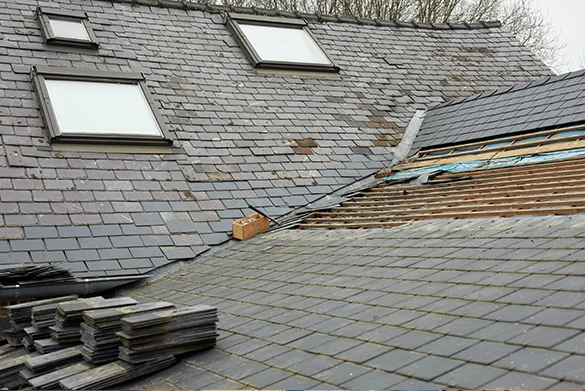
Ideal candidates for roof shingle painting meet specific criteria that ensure the investment delivers reasonable value. Evaluate your roof against each of these conditions before committing to a painting project.
Shingles should be structurally sound: lying flat without curling, retaining most of their protective granule coverage, showing no cracks or brittleness when handled, and exhibiting no signs of active water infiltration beneath the shingle surface. Age matters as well. Roofs with five to seven years or more of remaining service life justify the painting investment. Shingles under manufacturer warranty should not be painted to avoid voiding coverage.
Short-term homeownership makes painting practical. If you plan to sell within three to five years, painting boosts curb appeal at minimal cost without investing in a full replacement you won't personally benefit from over its full lifespan. Budget constraints sometimes force choosing between painting now or delaying replacement by several years. In such cases, painting buys time if you fully understand its temporary nature and plan for eventual replacement.
Avoid painting if you see extensive granule loss across multiple slopes, widespread cracking or curling, active leaks, or shingles approaching 20 or more years old. Those conditions demand replacement with quality materials that solve problems permanently rather than masking them cosmetically.
Choosing the Right Paint and Materials
Using the wrong product is the fastest way to waste money on a roof painting project. Standard exterior house paint was not formulated for the extreme conditions that roof surfaces experience and will crack, peel, and fail within months of application regardless of how carefully you prepare and apply it.
You need specialized 100 percent acrylic roof coatings or elastomeric paints formulated specifically for asphalt shingles. These products remain flexible during temperature swings from below-zero winter lows to 160-plus degree summer surface temperatures that Northern Virginia roofs experience throughout the year. Standard paint cannot handle this range and fails rapidly under thermal stress.
Quality acrylic roof coatings include built-in mildew resistance that matters in Northern Virginia's 65 to 75 percent summer humidity, UV blockers that protect against the region's 200-plus sunny days per year, and flexible formulas that expand and contract with the shingles rather than cracking and separating. Elastomeric formulas create thicker, more flexible films ideal for shingles with minor surface imperfections.
Look for products explicitly rated for asphalt shingles with manufacturer specifications for temperature range, longevity, and coverage rates. Expect to pay $50 to $80 per gallon for quality coatings that cover 75 to 100 square feet per gallon per coat. Cheaper products at $20 to $30 per gallon lack the UV inhibitors, flexibility, and mildew resistance needed for Northern Virginia's demanding climate. Similar attention to material quality matters when considering TPO roofing or other roofing systems.
Surface Preparation: The Most Critical Step
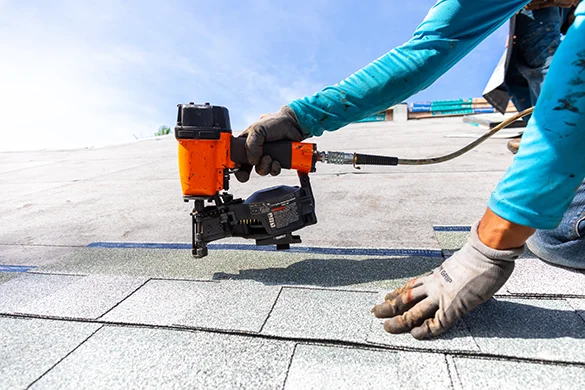
Thorough surface preparation determines whether your roof coating adheres properly and lasts its full potential lifespan or fails within months and wastes your entire investment. Preparation takes more time than actual painting but makes the difference between a successful project and a costly failure.
Start by removing all debris from the roof surface including leaves, branches, pine needles, and accumulated dirt. Treat algae, moss, mildew, and lichen with roof-safe cleaning solutions, allowing proper dwell time according to the cleaner manufacturer's instructions before rinsing with low-pressure water flow. High-pressure washing strips protective granules from the shingle surface and causes more damage than it prevents. Use gentle water pressure only.
Allow 48 to 72 hours of drying time after cleaning before applying any coating. Hidden moisture trapped beneath shingle tabs and in the overlap areas between courses causes bubbling, blistering, and premature peeling when sealed beneath a paint film. Check the weather forecast carefully to ensure no rain is expected during the drying period.
During cleaning, inspect every shingle and repair any damage before painting. Secure loose edges with roofing cement, seal cracks with appropriate sealant, and replace any severely damaged shingles that cannot be repaired. The coating should go over a sound, clean, dry surface with no underlying defects waiting to undermine your work. Proper inspection practices mirror those used when evaluating repair versus replacement decisions.
Application Process and Technique
Most quality roof coatings do not require primer on shingles that are in good condition with intact granule coverage. Severely weathered or porous surfaces with significant granule loss benefit from a bonding primer that improves adhesion on damaged areas. Apply primer in thin, even coats using an airless sprayer or thick-nap roller designed for rough textured surfaces.
For the topcoat application, airless sprayers provide the fastest, most uniform coverage across the textured shingle surface. Use a 0.017 to 0.021 inch spray tip at a consistent 12 to 14 inch distance from the surface. Overlap spray passes by 50 percent to avoid thin spots that wear through faster than surrounding areas. Start at the roof peak and work downward to avoid walking on fresh paint. Back-roll sprayed areas with a thick-nap roller to work the coating into the shingle texture and ensure complete adhesion.
Apply at least two coats, allowing 24 to 48 hours drying time between coats depending on humidity levels and temperature. Rushing drying time traps moisture and solvents that cause blistering and peeling weeks later. Work only in dry weather with temperatures between 50 and 85 degrees Fahrenheit and no rain expected for at least 48 hours after the final coat. Northern Virginia's spring and fall months provide the most consistent conditions for successful application. Understanding proper shingle painting techniques ensures better results regardless of whether you hire a professional or tackle the project yourself.
Roof Painting Costs: DIY vs Professional in Northern Virginia
Understanding realistic costs for the Northern Virginia market helps you budget appropriately and compare the painting investment against the cost of replacement. Labor rates in Fairfax County, Loudoun County, and the greater NOVA region run higher than national averages, which affects professional painting quotes.
Professional painters complete work in two to three days versus DIY timelines of two to four days spread across weekends. Professionals carry liability insurance protecting you from damage claims, offer one to three year workmanship warranties, and bring experience that reduces the risk of application errors. While professional costs are significantly higher than DIY, they still run 40 to 60 percent less than full roof replacement averaging $8,000 to $18,000 for similar-sized projects in Northern Virginia.
How Long Do Painted Roof Shingles Last in Northern Virginia?
Expect properly applied roof coatings to last three to seven years depending on climate exposure, product quality, application technique, and ongoing maintenance. Northern Virginia's climate is harder on painted surfaces than many other regions due to the combination of extreme summer heat, winter freeze-thaw cycles, persistent humidity, and intense UV exposure from 200-plus sunny days per year.
South-facing and west-facing roof slopes receive the most direct sunlight and UV radiation, which causes painted surfaces to fade, chalk, and deteriorate faster than north-facing or shaded slopes. Homes in sun-exposed neighborhoods throughout Reston, Herndon, and Fairfax with limited tree shade can expect painted surfaces on these exposures to show wear within three to four years rather than the five to seven year maximum.
Compare this limited lifespan to 25 to 30 years for new architectural asphalt shingles, 50-plus years for metal standing seam roofing, or 25 to 30 years for EPDM flat roof systems. If you paint twice over 10 years at a combined cost of $8,000 to $20,000 for professional work, you've spent nearly as much as a new asphalt shingle roof would have cost while gaining significantly less protection and no manufacturer warranty coverage. Factor recoating costs into your decision. Painting makes financial sense only as a short-term solution when you fully understand the ongoing maintenance commitment.
Maintenance After Painting and Common Mistakes to Avoid
Painted roofs require diligent ongoing maintenance to reach even the modest five to seven year lifespan that quality coatings are designed to achieve. Inspect annually for peeling, cracking, chalking, or fading. Clean gutters regularly to prevent water backup that damages painted edges along the eaves. Remove debris promptly because accumulated leaves and pine needles trap moisture that accelerates paint failure underneath.
Treat any biological growth including algae, moss, and mildew immediately with roof-safe cleaners before it establishes beneath the paint film. Address small areas of peeling with touch-up paint before damage spreads to surrounding areas. Widespread peeling or fading that covers more than 20 percent of the painted surface signals complete recoating time. Neglecting maintenance reduces coating lifespan to two to three years instead of five to seven, making the already marginal investment even less cost-effective.
Common Painting Mistakes That Cause Failure
Skipping thorough cleaning causes the most painting failures. Dirt, oils, biological growth, and loose granules prevent adhesion regardless of how good the paint product is. Using standard house paint instead of roof-specific coatings guarantees failure within months. Painting in poor weather conditions including rain within 48 hours before or after application, high humidity above 85 percent, or temperatures outside the 50 to 85 degree range ruins adhesion and curing.
Applying paint too thick creates cracking as the coating cures and contracts. Insufficient drying between coats traps solvents and moisture that cause blistering weeks after the project appears complete. Ignoring underlying damage means painting over problems that continue worsening beneath the cosmetic surface. Perhaps the biggest mistake: painting severely deteriorated shingles that need replacement, wasting money on a roof that fails within one to two years regardless of the coating quality. Avoiding these errors requires understanding common repair mistakes that plague DIY roofing projects.
Better Alternatives to Painting Roof Shingles
Before committing to paint your roof shingles, evaluate alternatives that may deliver better value for your investment. Several options exist between painting and full replacement that Northern Virginia homeowners should consider.
Professional Roof Cleaning
Professional cleaning removes years of algae staining, dirt accumulation, and biological growth that makes a roof look far worse than its actual condition. This costs $300 to $700 in Northern Virginia and often reveals that the roof looks considerably better than expected once the surface buildup is removed. Cleaning provides no structural benefit but restores appearance at a fraction of the cost of painting.
Partial Replacement
Replacing damaged sections while cleaning and maintaining the good areas costs more than painting but less than full tear-off. This approach addresses actual structural problems rather than covering them cosmetically. Partial replacement is particularly effective when damage is concentrated on one or two slopes while the remaining areas remain in good condition.
Alternative Roofing Materials
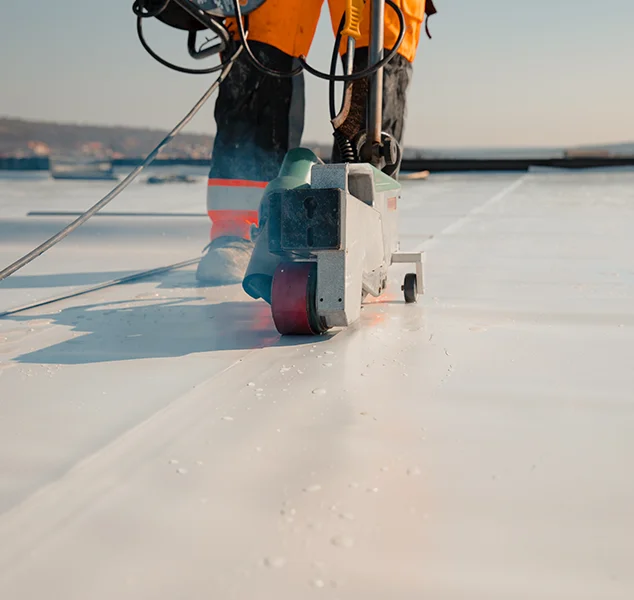
For flat or low-slope roof sections, TPO roofing or PVC membrane systems provide superior waterproofing with 20 to 30 year lifespans. Metal standing seam roofing delivers 50-plus years of service with virtually no maintenance required. Sometimes investing in quality replacement materials makes more financial sense than repeatedly painting aging shingles every four to five years. Working with trusted roofing contractors helps you evaluate all options objectively based on your budget, timeline, and long-term plans for the home.
Frequently Asked Questions
How much does it cost to paint roof shingles in Northern Virginia?
DIY roof shingle painting costs $400 to $900 in materials for a typical 2,000 square foot roof, including quality acrylic roof coating, cleaning supplies, and application tools. Professional painting runs $2 to $5 per square foot including labor and materials, totaling $4,000 to $10,000 for most Northern Virginia homes. Professional costs include surface preparation, two coats of specialized roof coating, and cleanup. While expensive compared to DIY, professional painting still costs 40 to 60 percent less than full roof replacement.
How long does paint last on roof shingles in Northern Virginia?
Properly applied roof coatings last 3 to 7 years on asphalt shingles in Northern Virginia. The region's temperature extremes, high humidity, UV exposure, and freeze-thaw cycles stress painted surfaces more than milder climates. Most coatings need reapplication every 4 to 5 years to maintain protection and appearance. Compare this to 25 to 30 years for new architectural asphalt shingles or 50 plus years for metal roofing to understand the long-term cost implications of repeated recoating.
Will painting my roof shingles void the manufacturer warranty?
Yes, in most cases. Major shingle manufacturers including GAF, CertainTeed, and Owens Corning explicitly state that applying paint, coatings, or surface treatments to their products voids the material warranty. This means any manufacturing defects that develop after painting become your financial responsibility rather than the manufacturer's. If your roof is still under warranty, painting is generally not recommended. Consult your warranty documentation or contact the manufacturer directly before applying any coating.
What type of paint should I use on roof shingles?
Never use standard house paint on roof shingles. You need specialized 100 percent acrylic roof coatings or elastomeric paints formulated specifically for asphalt shingles. These products remain flexible during temperature swings from below zero winter lows to 160 plus degree summer surface temperatures that occur in Northern Virginia. Quality roof coatings include built-in mildew resistance, UV blockers, and flexible formulas that move with the shingles. Expect to pay $50 to $80 per gallon for quality products that cover 75 to 100 square feet per gallon per coat.
Is it better to paint roof shingles or replace them?
Replacement is almost always the better long-term investment. Painting costs less upfront but lasts only 3 to 7 years and cannot fix structural problems like curling, cracking, or granule loss. New architectural asphalt shingles last 25 to 30 years and come with manufacturer warranties. Painting makes sense only as a short-term cosmetic fix when shingles are structurally sound but faded, you plan to sell within 3 to 5 years, or budget constraints prevent immediate replacement. For damaged or aging roofs, replacement provides far better value per year of service.
Get an Honest Roof Assessment from Reston Roofing
Reston Roofing provides honest, no-pressure evaluations of whether painting, repairing, or replacing your roof makes the most sense for your specific situation. Our experienced team inspects shingle condition from both the exterior and the attic side, identifies hidden damage that cosmetic treatments cannot fix, and compares painting costs versus replacement value over your expected ownership timeline.
Serving homeowners throughout Northern Virginia including Reston, Fairfax, Herndon, Sterling, McLean, and surrounding communities, we deliver quality workmanship whether you choose repairs, replacement, or alternative solutions. We explain all options transparently and help you make an informed decision based on your timeline, budget, and long-term goals for your property.
Call Reston Roofing today at (571) 453-6515 or schedule a consultation online for a thorough roof assessment and recommendations you can trust for your home's protection.