How to Paint Roof Shingles: Step-by-Step Guide for Homeowners
Painting roof shingles offers a budget-friendly way to refresh your home's appearance and temporarily extend the service life of aging asphalt shingles. If your roof looks faded and streaked but the shingles themselves are still structurally sound, a quality roof coating can restore curb appeal for a fraction of the cost of a full replacement. It is not a permanent solution, but for the right candidate roof, painting buys time and improves appearance.
Northern Virginia homeowners considering this option need to understand what works, what does not, and what the realistic costs and expectations look like in our regional climate. Reston's humidity, Fairfax County's temperature extremes, and the UV exposure that hits every south-facing roof slope from Sterling to Arlington all affect how well roof coatings perform and how long they last. This guide walks through the complete process from candidate assessment to product selection, application, and long-term maintenance.
Can You Actually Paint Roof Shingles?
Yes, you can paint asphalt roof shingles, but success depends entirely on three factors: the condition of your existing shingles, using roof-specific coatings rather than regular paint, and understanding that the results are temporary. Standard house paint will crack and peel within months on a roof surface. The temperature swings, UV bombardment, and moisture exposure that roofs endure destroy ordinary paint formulations faster than any other exterior application.
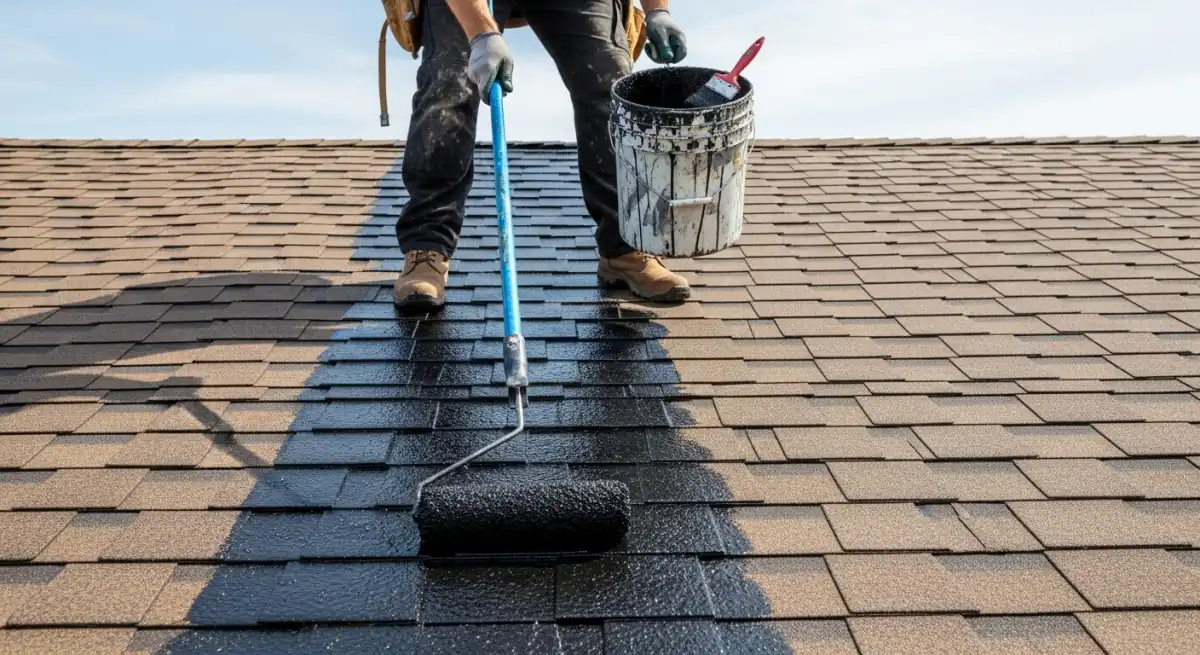
Professional roof coatings designed specifically for asphalt shingles use elastomeric or 100 percent acrylic formulations that flex with temperature changes, resist UV degradation, and shed water effectively. These products create a protective layer that seals minor surface cracks, restores faded color, and can add 3 to 7 years of cosmetic life to shingles that are still lying flat and holding their granules.
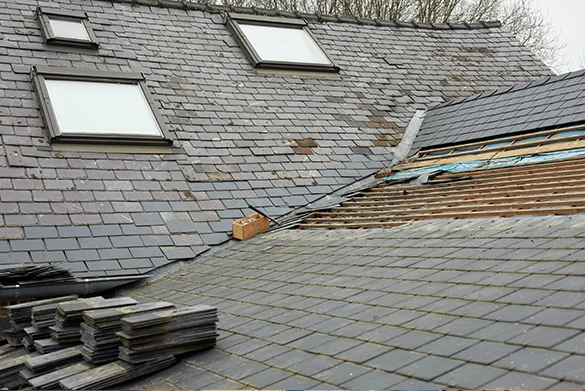
However, painting cannot fix structural problems. Curling, cupping, cracking, or brittle shingles continue deteriorating beneath any coating you apply. Missing granules expose the asphalt substrate to UV damage that paint cannot fully compensate for. If your shingles show any of these structural symptoms, painting is money wasted. For those roofs, roof replacement is the only solution that actually protects your home.
When Painting Roof Shingles Makes Sense
The ideal candidate roof for painting meets specific criteria. Shingles should be structurally sound: lying flat without curling, retaining most of their protective granules, showing no cracks or brittleness, and free of active leaks. The roof should have at least 5 to 7 years of remaining structural life to justify the cost and effort of painting.
Short-term homeownership is the strongest argument for painting over replacement. If you plan to sell your home within 3 to 5 years, painting boosts curb appeal at minimal cost without investing in a replacement you will not personally benefit from. Homeowners preparing to list properties in Reston, Herndon, or Fairfax often choose painting to freshen a faded roof before showings.
Budget constraints sometimes make painting the only viable option. When a full roof replacement costs $10,000 to $18,000 and your budget is limited, painting at $400 to $800 in DIY materials buys time until finances allow a proper replacement. Just understand that painting is renting time, not buying a permanent fix.
Choosing the Right Coating for Roof Shingles
Product selection makes or breaks a roof painting project. You need specialized coatings formulated for the extreme conditions roofs endure: surface temperatures exceeding 150 degrees Fahrenheit in summer, nighttime lows in the teens during winter, constant UV bombardment, and repeated soaking from rain and snow. No ordinary paint handles these conditions.
Look for 100 percent acrylic roof coatings with built-in mildew resistance and UV blockers. Elastomeric formulas create thicker, more flexible films that bridge minor surface imperfections in weathered shingles. Quality products cost $50 to $80 per gallon and cover 75 to 100 square feet per gallon per coat. You will need two coats for adequate protection.
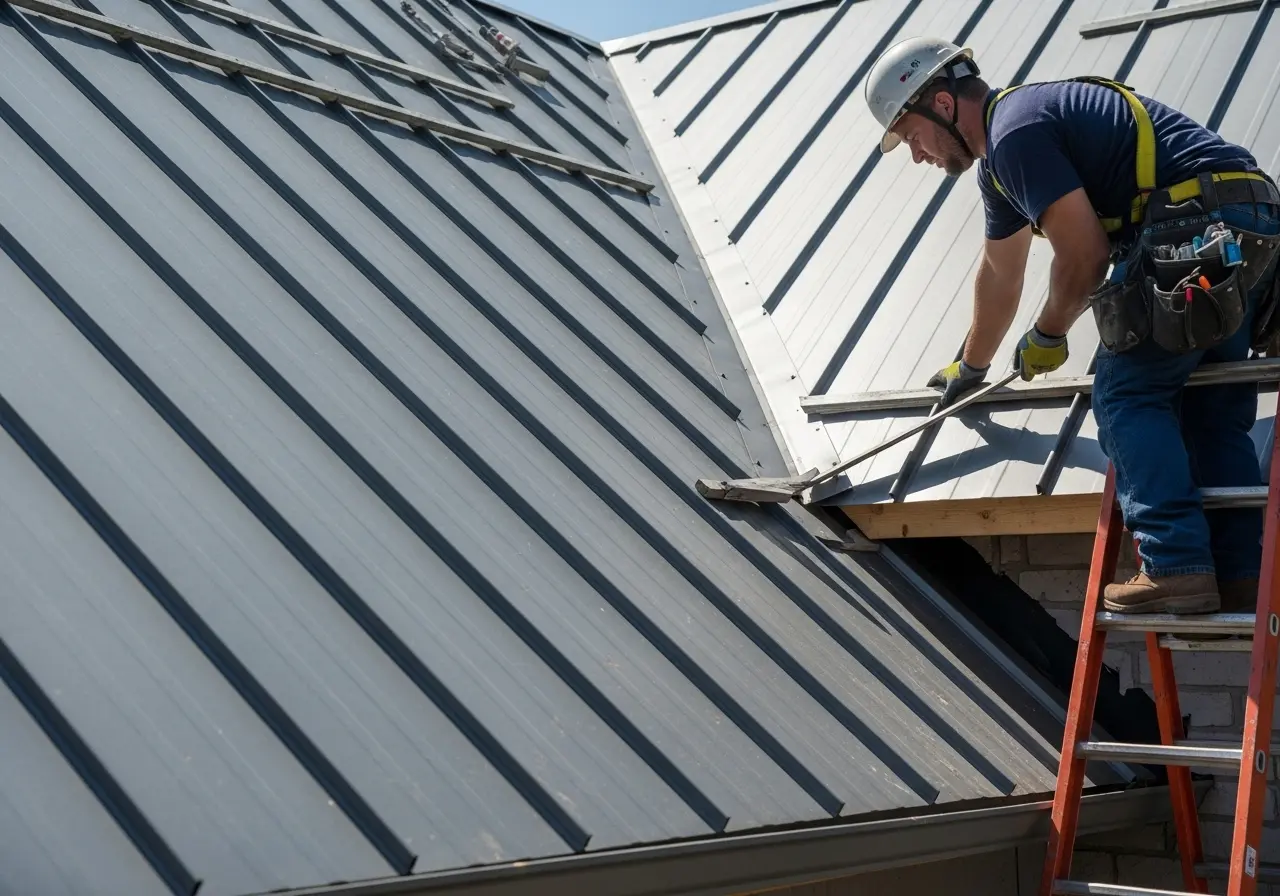
Reflective roof coatings in white or light colors offer an additional benefit: reduced cooling costs during Northern Virginia's hot summers. A white roof coating can lower roof surface temperature by 50 to 60 degrees Fahrenheit compared to dark shingles, translating to measurable savings on air conditioning costs for homes in sun-exposed locations throughout Fairfax, Arlington, and Centreville. Similar material attention matters when evaluating metal roofing options for long-term performance.
Step-by-Step Roof Shingle Painting Process
Step 1: Safety Preparation
Roof work is dangerous. Falls from residential roofs cause thousands of serious injuries every year. Before you step on your roof, ensure you have a safety harness with a secure anchor point, non-slip footwear, roof brackets for stable footing, and someone on the ground who knows you are up there. Never work alone on a roof, and never work in wet conditions, high wind, or extreme heat.
Step 2: Thorough Cleaning
Paint will not adhere to dirty shingles. Remove all debris with a leaf blower or soft-bristle brush. Treat algae, moss, and mildew stains with a roof-safe cleaning solution, let it dwell for the recommended time, then rinse with low-pressure water. Do not use a pressure washer at high settings. Excessive pressure strips protective granules and damages the shingle surface you are trying to preserve.
Allow the roof to dry completely for 48 to 72 hours after cleaning. Hidden moisture trapped beneath shingle tabs causes paint to bubble and peel within weeks of application. Northern Virginia's summer humidity means drying takes longer here than in arid climates, so plan your timeline accordingly.
Step 3: Inspect and Repair
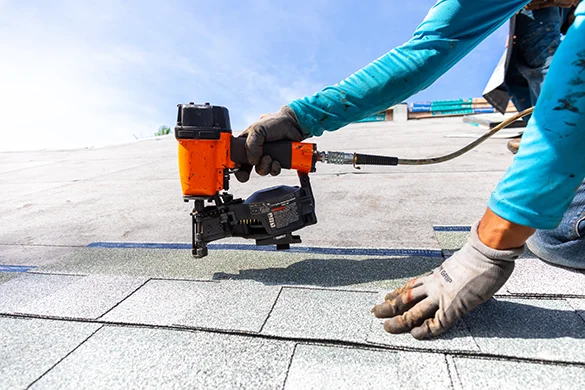
Walk the entire roof looking for problems. Replace any missing or severely damaged shingles. Seal lifted edges with roofing cement. Check flashing around chimneys, vents, and valleys. If you discover extensive damage during inspection, reconsider whether painting makes sense. Sometimes repair costs approach what a section replacement would cost, making targeted replacement the better investment.
Step 4: Apply Primer If Needed
Most quality roof coatings do not require primer on shingles in reasonable condition. Severely weathered shingles with significant granule loss benefit from a bonding primer that improves adhesion. Apply primer in thin, even coats and let it dry completely per manufacturer instructions before moving to topcoat application.
Step 5: Apply Two Coats of Roof Coating
An airless sprayer with a 0.017 to 0.021 inch tip provides the most efficient and uniform application. Maintain consistent distance of 12 to 14 inches from the surface and overlap each pass by 50 percent. Start at the highest point and work downward so you never walk on fresh coating. Back-roll sprayed areas with a long-nap roller to work the coating into shingle texture.
Wait 24 to 48 hours between coats for complete drying. Rushing the second coat traps moisture and solvents that cause blistering. Apply the second coat using the same technique, paying extra attention to shingle edges, ridges, and valleys where coverage tends to run thin.
Cost to Paint Roof Shingles in Northern Virginia
Understanding realistic costs helps you decide whether painting, repairing, or replacing your roof delivers the best value. The table below compares DIY and professional painting costs against replacement for a typical 2,000-square-foot roof in the Northern Virginia market.
The cost-per-year comparison tells the real story. DIY painting looks affordable upfront, but recoating every 4 to 5 years adds up quickly. Professional painting costs nearly as much per year of service as a new shingle roof that lasts five times longer. Painting makes financial sense only when you need a short-term cosmetic fix for a specific reason like selling your home.
Common Mistakes When Painting Roof Shingles
Skipping thorough cleaning is the most common cause of paint failure. Dirt, algae, pollen, and oils prevent adhesion regardless of how expensive the coating is. Using standard house paint instead of roof-specific coatings guarantees failure within months. Painting in poor weather, whether that means rain within 48 hours, high humidity above 85 percent, or temperatures outside the 50 to 85 degree Fahrenheit range, ruins adhesion and curing.
Applying paint too thick causes cracking as the coating cures and flexes with temperature changes. Insufficient drying time between coats traps moisture and solvents beneath the surface layer. Ignoring underlying damage means painting over problems that continue worsening beneath the cosmetic coating. Perhaps the biggest mistake is painting severely deteriorated shingles that need replacement, wasting $500 to $800 in materials on a roof that fails within a year regardless.
Homeowners who avoid these errors and follow proper preparation and application steps get the best results from roof painting projects. Understanding common roof repair mistakes helps you approach the project with realistic expectations and proper technique.
Alternatives to Painting Roof Shingles
Before committing to painting, consider alternatives that might deliver better long-term value for your money. Professional roof cleaning removes years of algae, moss, and dirt staining for $300 to $600 without any paint. Many homeowners discover their shingles look significantly better once properly cleaned, eliminating the need for painting entirely.
Partial replacement of damaged sections costs more than painting but less than full tearoff. You can replace the most visible or damaged sections while cleaning and maintaining areas in good condition. For flat or low-slope roof sections on additions or garages, TPO or PVC membrane systems provide superior waterproofing that lasts 20 to 30 years.
If your roof truly needs help beyond cleaning, a full replacement with modern architectural shingles gives you 25 to 30 years of maintenance-free performance, full manufacturer warranties, improved wind resistance, and dozens of color and style options that far exceed what paint can achieve. The upfront cost is higher, but the per-year value is dramatically better.
Get an Honest Roof Assessment in Northern Virginia
Reston Roofing provides straightforward evaluations of whether painting makes sense for your roof or if replacement represents better value. Our team inspects shingle condition, identifies hidden damage, and explains all options with transparent pricing. We do not push unnecessary replacements, and we do not encourage painting when replacement is clearly the smarter investment.
We serve homeowners throughout Reston, Fairfax, Herndon, McLean, Great Falls, Ashburn, Sterling, Centreville, Arlington, and surrounding Northern Virginia communities. Whether you decide to paint, repair, or invest in a new roof, we deliver quality workmanship backed by solid warranties and a commitment to honest advice.
Call us today at (571) 453-6515 or schedule a consultation online. We will inspect your roof, give you our honest opinion, and help you make the best decision for your home and budget.
Frequently Asked Questions
How long does painted roof shingle coating last?
Properly applied roof coatings on asphalt shingles typically last 3 to 7 years depending on climate, coating quality, and application technique. In Northern Virginia, expect 4 to 5 years before recoating is needed due to the region's temperature extremes, humidity, and UV exposure. High-quality elastomeric coatings applied in two coats tend to perform at the upper end of that range.
What type of paint should I use on roof shingles?
Use only 100 percent acrylic roof coatings or elastomeric roof paints specifically formulated for asphalt shingles. These products flex with temperature changes and resist UV degradation. Never use standard house paint, oil-based paint, or any product not explicitly rated for roof applications. Quality roof coatings cost $50 to $80 per gallon and include built-in mildew resistance and UV blockers.
How much does it cost to paint roof shingles in Northern Virginia?
DIY roof shingle painting costs $400 to $800 in materials for a typical 2,000-square-foot roof, plus $100 to $150 for sprayer rental. Professional painting runs $2 to $4 per square foot including labor and materials, totaling $4,000 to $8,000 for average-sized roofs in the Northern Virginia market. Professional application includes surface preparation, two coats, and a workmanship warranty.
Will painting roof shingles void my warranty?
Yes, in most cases. The majority of asphalt shingle manufacturers explicitly state that applying paint or coatings to their products voids the material warranty. If your shingles are still under warranty, painting eliminates your coverage for manufacturing defects. Check your warranty documentation before painting and weigh the risk of losing coverage against the cosmetic benefit of a painted roof.
Is it better to paint roof shingles or replace them?
Replacement is almost always the better long-term investment. Painted shingles last 3 to 7 years before recoating, while new asphalt shingles last 25 to 30 years with no maintenance. If you paint twice over 10 years, you will spend nearly as much as replacement would have cost while receiving significantly less protection. Painting makes sense only as a short-term solution when shingles are structurally sound but cosmetically faded and you plan to sell within a few years.